Best Seasons for Exterior Door Frame Replacements
Exterior door frame replacements are essential for maintaining security, energy efficiency, and curb appeal. Timing can influence the ease of installation and the longevity of the repair. Understanding seasonal conditions and weather patterns helps determine optimal periods for replacement projects.
Spring provides moderate temperatures and less precipitation, making it ideal for exterior door frame replacements. It allows for proper curing of materials and reduces the risk of weather-related delays.
Summer offers longer daylight hours and warmer conditions, facilitating installation. However, high temperatures and humidity can affect materials and adhesives, requiring careful planning.
Fall's cooler temperatures and lower humidity levels help ensure proper installation and drying times. It is often preferred before winter sets in to prevent cold-related issues.
Winter poses challenges such as freezing temperatures, snow, and ice, which can hinder installation and affect material performance. It is generally avoided unless conditions are properly managed.
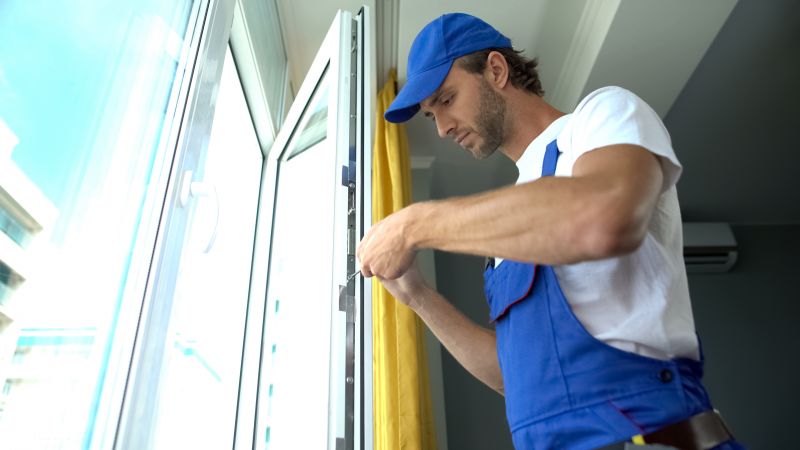
Spring's moderate weather supports efficient installation and long-term durability.
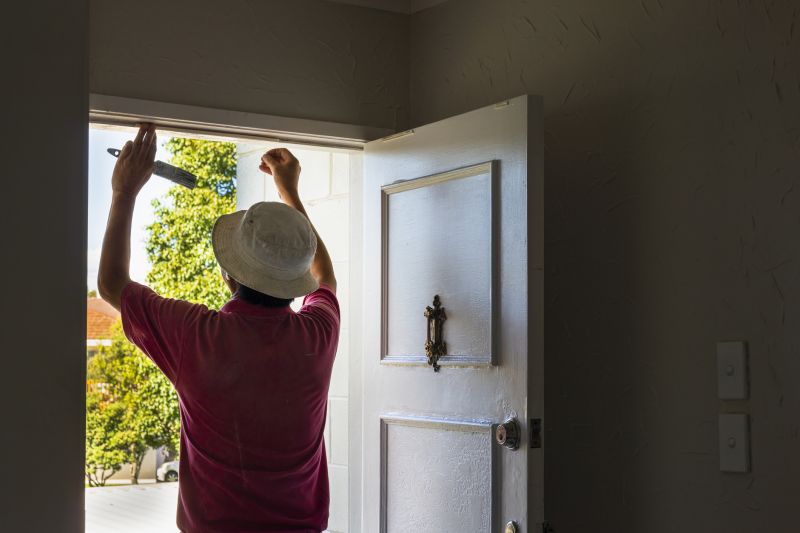
Replacing door frames in fall ensures readiness before winter cold sets in.
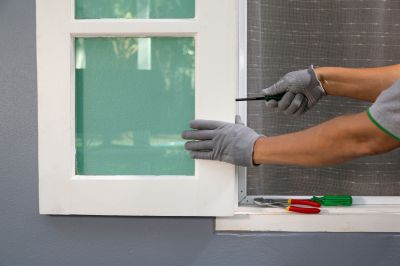
Summer's warm conditions require attention to material handling and curing times.
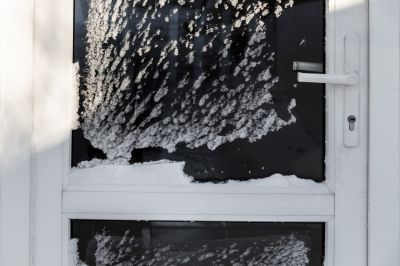
Winter replacements need special planning due to cold and moisture concerns.
Timing affects installation quality and lifespan of the door frame.
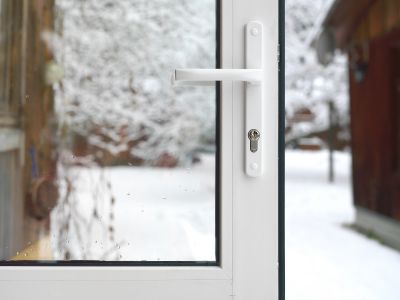
Weather conditions significantly influence the success of door frame replacements.
| Season | Recommended Timing |
|---|---|
| Spring | Optimal for moderate weather and proper curing |
| Summer | Possible with precautions for heat and humidity |
| Fall | Ideal before winter cold and moisture |
| Winter | Generally not recommended unless conditions are controlled |
Exterior door frame replacements involve removing the existing frame and installing a new one to improve security, insulation, and appearance. Proper timing ensures the materials used, such as adhesives and sealants, cure correctly, reducing the risk of future issues. Statistics indicate that installations performed during favorable weather conditions have a higher success rate and longer lifespan, with studies showing a 15-20% reduction in repair needs when scheduled during optimal seasons.
Choosing the right time for replacement also minimizes disruptions and delays. Weather-related factors like rain, snow, and extreme temperatures can compromise the quality of installation and the durability of the new frame. Planning ahead and considering seasonal conditions can lead to a smoother process and better long-term results.
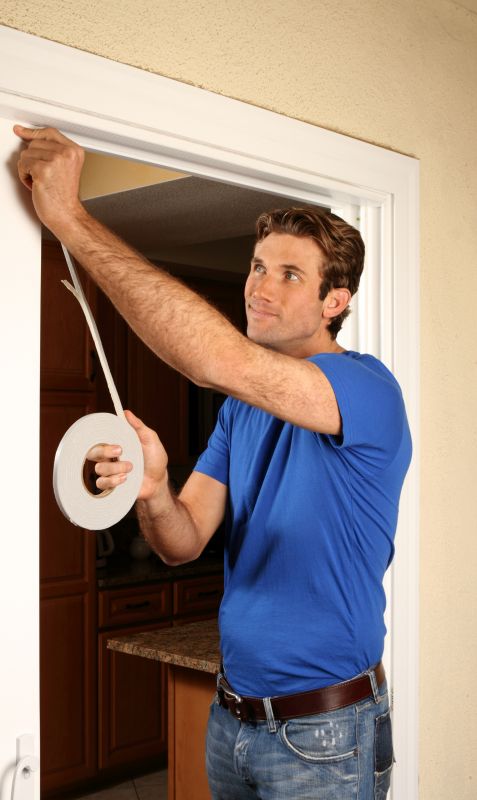
Ideal for moderate temperatures and dry conditions.
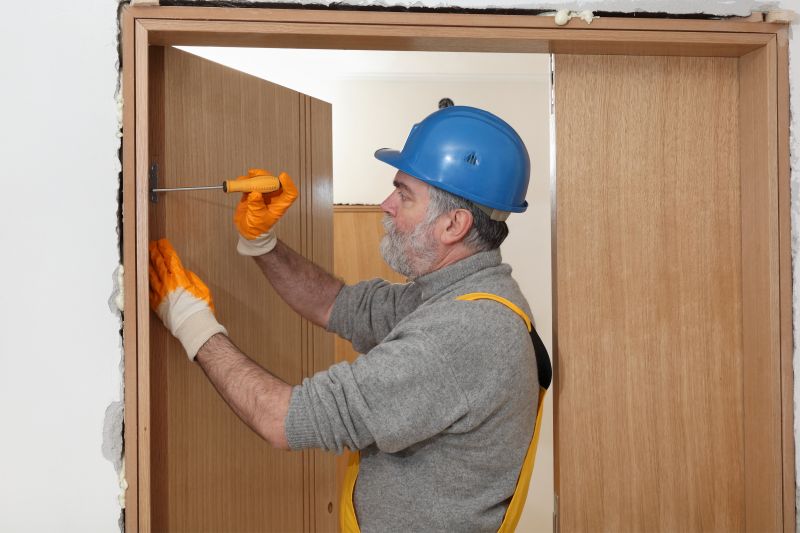
Supports proper installation before winter.
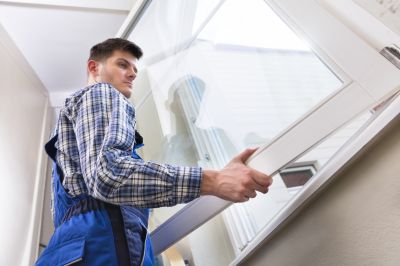
Requires attention to high heat and humidity.
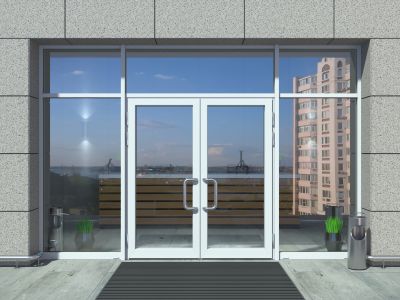
Best avoided unless conditions are managed.
Interested in replacing an exterior door frame? Filling out the contact form can provide guidance on scheduling and ensure the project aligns with seasonal best practices for optimal results.